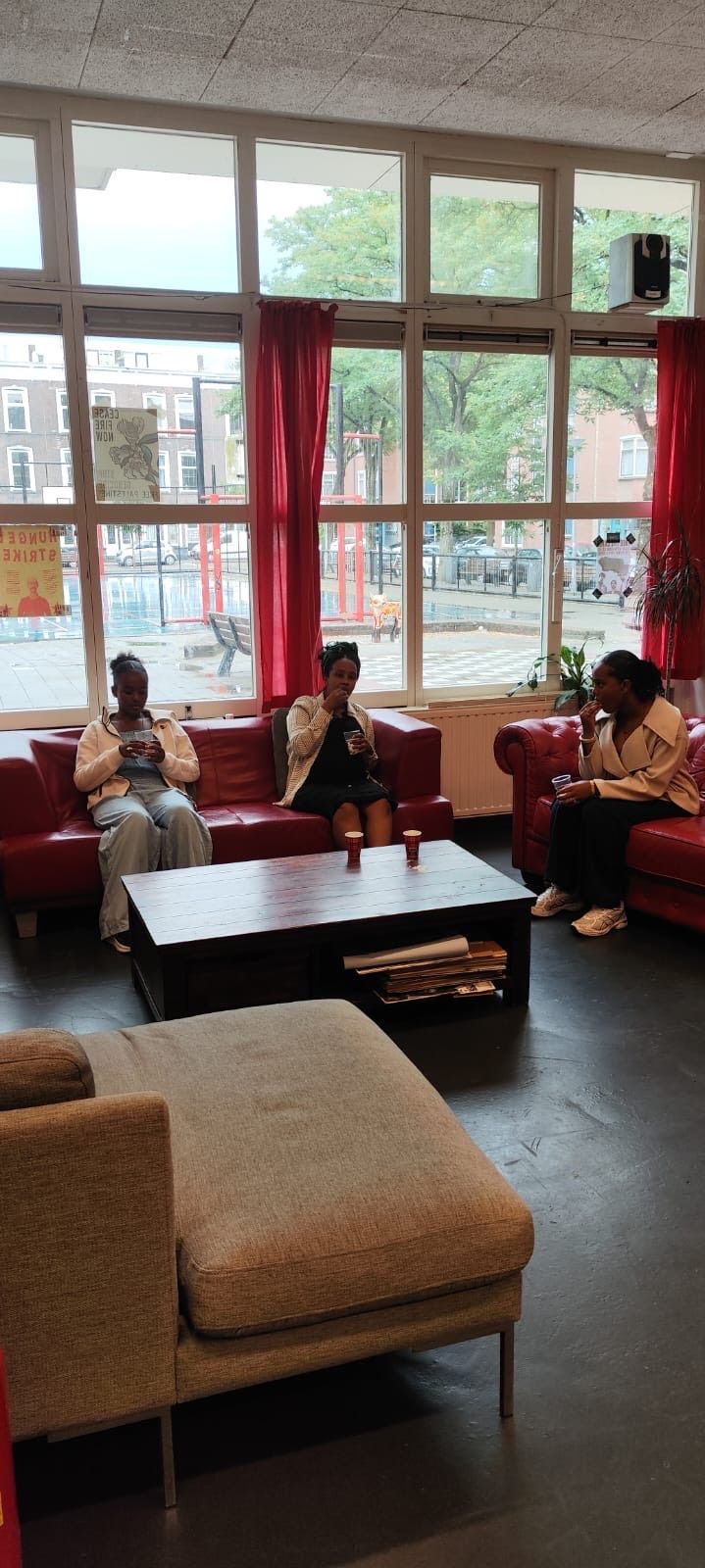
WEL COME TO HEBER NETHERLAND
ህብር HEBER
አንኳን በሰላም ወደ ህብር ፔጅ መጡ WELL COME TO HEBER NETHERLAND
HEBER
የህብር ማህበር አላማ ።
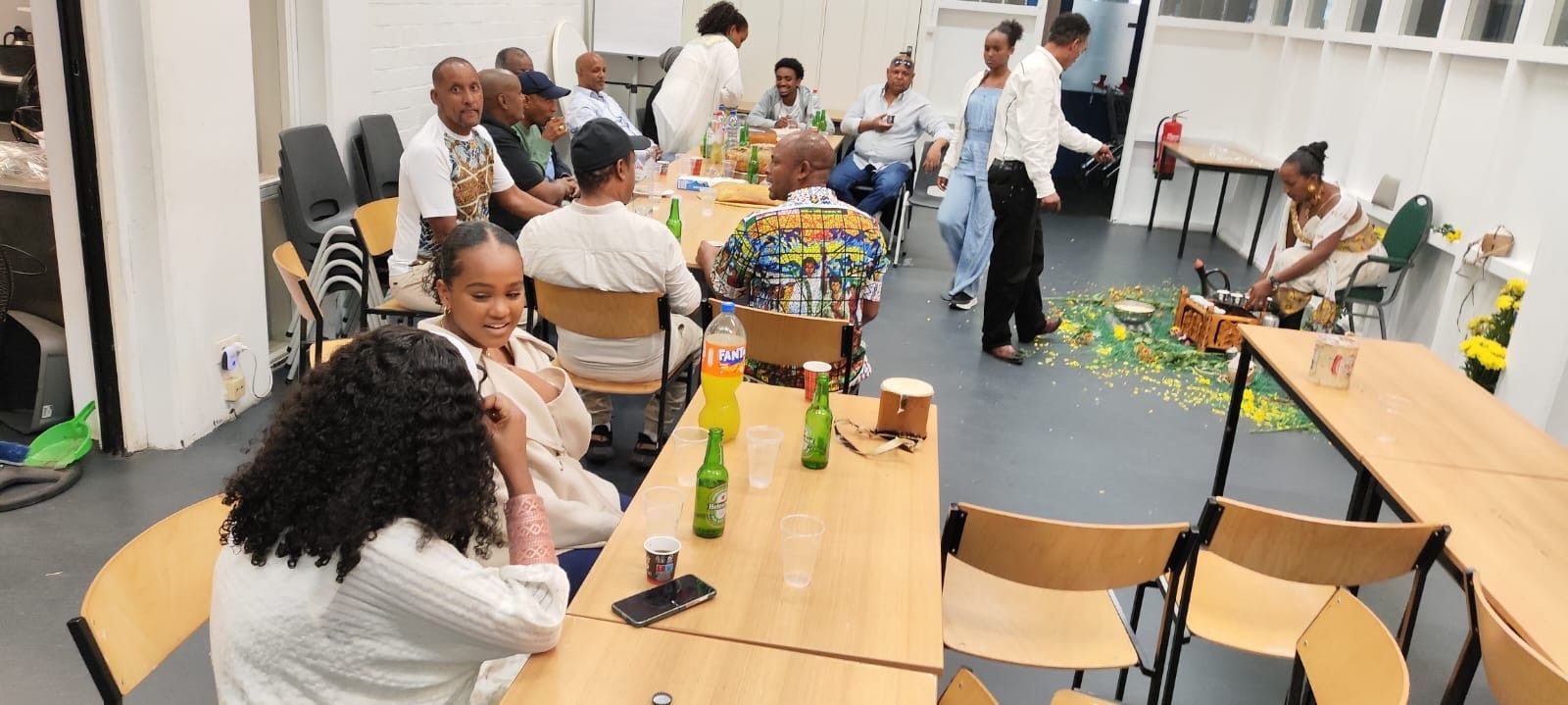
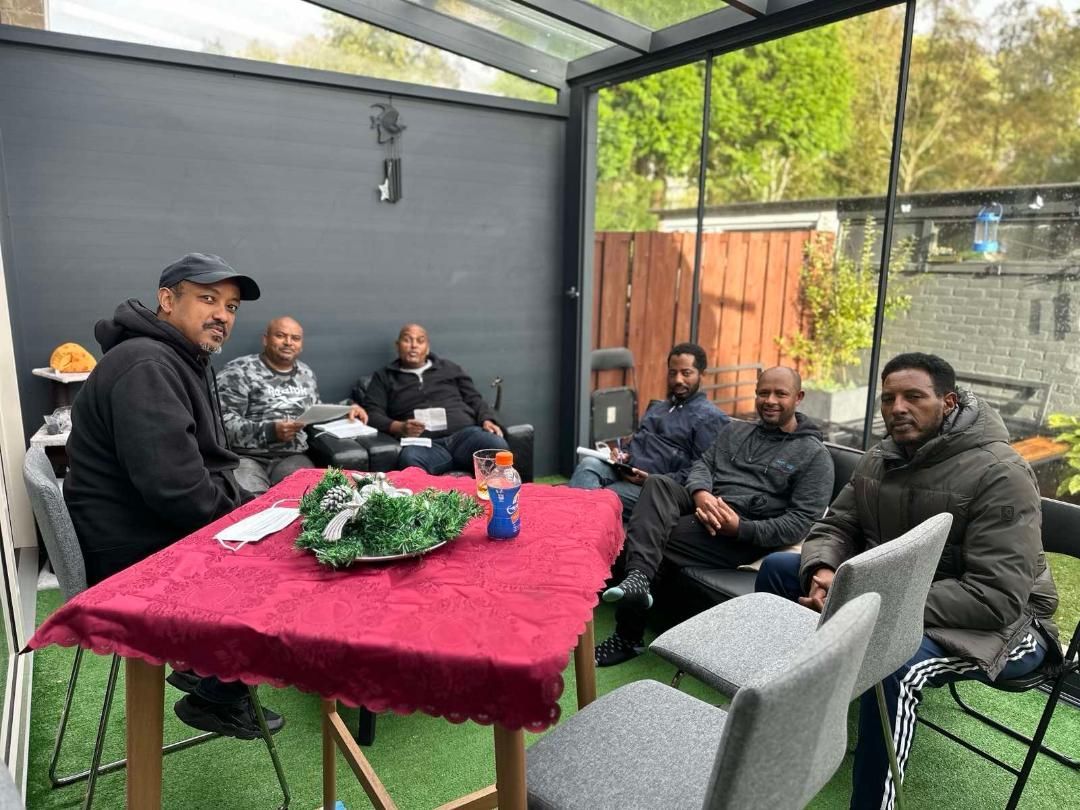
ህብር ማህበር በሮተርዳም ኒዘርላድና በአካባቢው የሚኖሩ ጎደኛሞች ተሰባስበው የመሰረቱት ማህበር ሲሆን አላማውም በአባላቱ መካከል መተባበርና መረዳዳት ማህብራዊ ግንኙነታቼውን ማጠናከርና ከአባላቱ ውጭ የሆኑትንም በማሰባሰብን ባህላዊና ማህበራዊ እሴቶቻችን በተለያየ መንገድ በማጠናከርና አክብሮ በማስከበር፤ባህሉናን ማንነቱን የጠበቀ፣ከትውልድ ወድትውልድ የሚተላለፍ ተቋም እንዲኖር፤ለዚህም ግብ ማህበሩ በተለይ፦የአባላትን ትብብር፣የፍቅር ግንኙነት እና የእርስበእርስ ድጋፍ ማበረታታት።
ለማህበረሰብ ጥቅም የሚያገለግሉ ተቋማትን ማደራጀት፤ መክፈትና ማስፋፋት። ከላይ በተጠቀሱት ተግባራት ላይ ተመስርቶ ህብር በጋራ ትስስር ላይ የተመሰረተ የትኩረት ስራ የመሥራት ዓላማው ነው።
De Heber Vereniging is in 2012 (E.C.) opgericht door leden van de
gemeenschap die wonen in Rotterdam, Nederland, en de omliggende
gebieden. Het doel van de vereniging is om de samenwerking, het
onderling begrip en de sociale banden tussen haar leden te versterken.
Door ook anderen buiten de vereniging te betrekken, wil zij onze culturele
en sociale waarden op verschillende manieren behouden, versterken en
met respect uitdragen.
De vereniging streeft ernaar een instelling te zijn die haar cultuur en
identiteit bewaart en van generatie op generatie doorgeeft.
Voor dit doel richt de vereniging zich in het bijzonder op:
1/ Het versterken van samenwerking, onderlinge liefde en steun tussen de
leden.
2/ Het organiseren, oprichten en uitbreiden van instellingen die ten dienste
staan van de gemeenschap.
Op basis van de bovenstaande activiteiten is het doel van Heber om met
gezamenlijke inzet en gedeelde verantwoordelijkheid te werken.
—----------------//--------------------------------------
Heber Vereniging
FASIKA
Fasika is the Ethiopian word for Easter, a major religious festival that commemorates the resurrection of Jesus Christ. The celebration includes a 55-day fasting period called Abye Tsome, during which adherents abstain from meat and dairy, followed by a feast on Easter Sunday with non-vegetarian dishes like chicken or lamb. The holiday is characterized by prayer, church services, family gatherings, gift-giving, and vibrant celebrations.
Fasting and preparation
- A 55-day period of strict fasting before Fasika, which involves abstaining from all animal products, including meat, dairy, and eggs.
- Diet during the fast: Vegetarian meals consisting of dishes made with lentils, split peas, grains, fruits, and various stews are common.
- Holy Week: The days leading up to Fasika involve intense prayer and reflection, with people often going to church for mass services, especially on Easter Eve.
Celebration and feasting
- Easter Eve (Fasika Beal): Celebrations begin in church on Saturday evening with mass services that last until the early hours of Sunday morning.
- Easter Sunday: The fast is broken with a non-vegetarian feast, which often includes the traditional spicy chicken stew, doro wat, or lamb.
- Greetings and traditions: People exchange greetings of "Christ has risen!" and exchange gifts like animals or bread. A notable tradition is the symbolic "dabbing" of holy water for renewal.
Symbolism and cultural significance
- Spiritual meaning: Fasika is a deeply spiritual time that signifies the end of the fasting period and celebrates the core Christian message of resurrection.
- Family and community: It is a time for family reunions and for communities to come together, often with music, dancing, and singing.
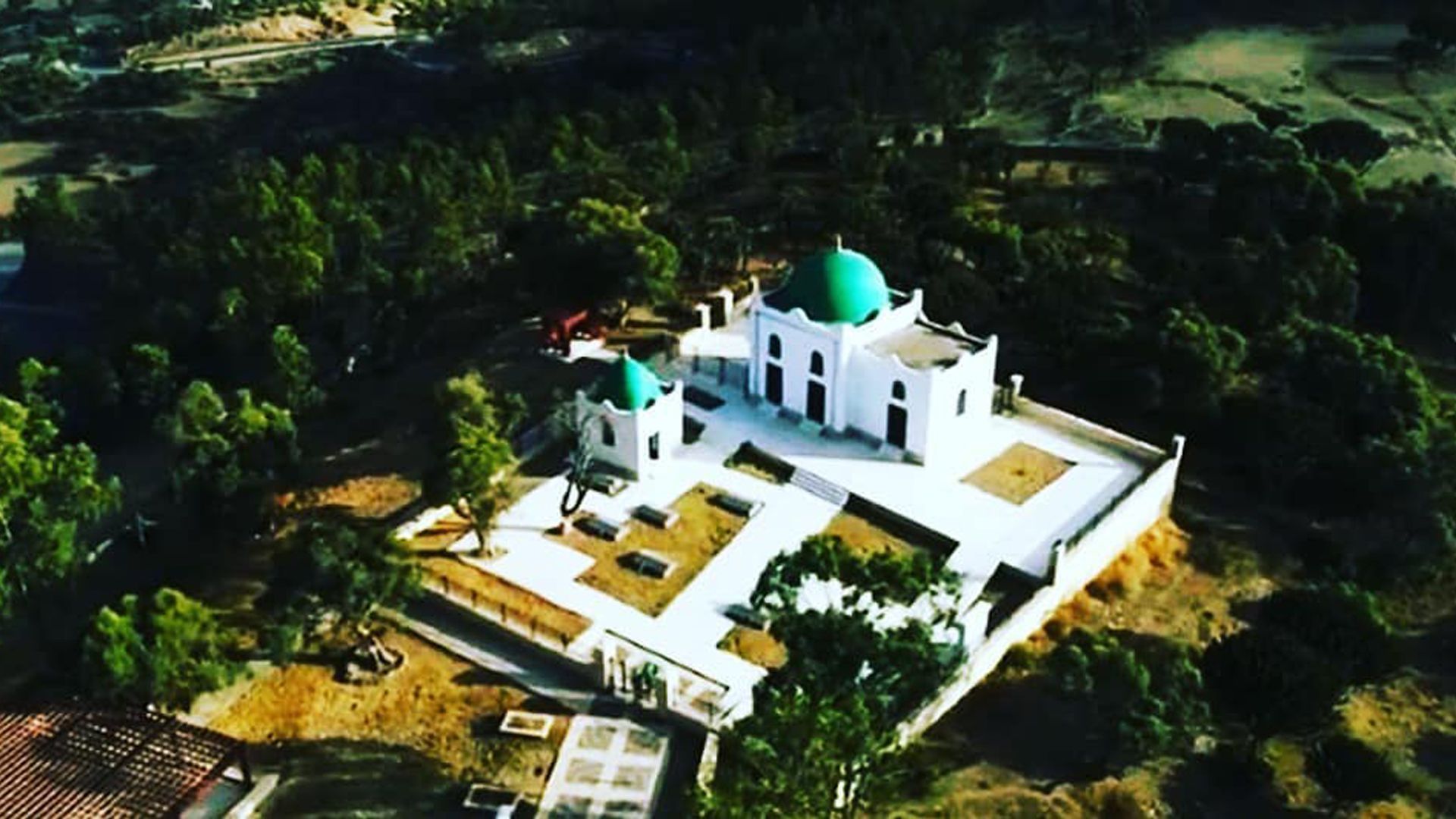
The Al-Nejashi Mosque in Ethiopia, built around the 7th century, is considered the first mosque in Africa and is named after King Negash of the Aksumite Kingdom. It was built to honor the king who gave sanctuary to Muslim refugees fleeing persecution in Mecca, including relatives of Prophet Muhammad. The mosque holds a significant place in Islamic history for its representation of early tolerance and interfaith relations, with the tombs of some of the original refugees located
The
Al-Nejashi Mosque in Ethiopia, believed to be the first mosque built in Africa, holds immense historical significance as the site where the first Muslim community found refuge from persecution in Mecca in the 7th century CE.
Key Historical Points
- Sanctuary for Early Muslims: Around 615 CE, during the early days of Islam, a group of Prophet Muhammad's followers (the Sahabah) faced severe persecution from the Quraysh tribe in Mecca. The Prophet advised them to seek asylum in the Christian Kingdom of Aksum, citing the justice of its king.
- The Benevolent King: The Aksumite monarch, known in Islamic sources as the Negus (Arabic for king) Ashama ibn Abjar, welcomed the Muslim refugees and provided them with safe haven. He famously refused demands from Meccan emissaries to return the Muslims, emphasizing a spirit of peaceful coexistence and interfaith understanding.
- Africa's First Mosque: The mosque was established in the town of Negash (also known as Negash Amedin Mesgid), the location of this first Muslim settlement in Africa. It is named after the generous King Najashi.
- Burial Site: The complex includes the tombs of 15 of the original Muslim settlers, and, by some accounts, the King himself is also buried within the compound after reportedly converting to Islam.
- "Second Mecca": Due to its profound importance in Islamic history, some Muslims consider the mosque and its surroundings as the second holiest place in the Muslim world, after Mecca.
Recent History and Restoration
Over the centuries, the mosque has been a symbol of religious tolerance. In recent years, it has undergone renovations and faced challenges:
- Renovations: The Turkish Cooperation and Coordination Agency (TIKA) funded major renovations and the construction of a visitor center, which were completed in 2018 and further restorations completed in 2025.
- Conflict Damage: In 2021, the mosque sustained damage, including a destroyed minaret and a partially collapsed dome, during fighting in the Tigray War. The Ethiopian government and TIKA pledged and carried out repairs to restore the historic building
ETHIOPIAN NEW YEAR
The Ethiopian New Year, known as Enkutatash, marks a time of renewal and hope that coincides with the end of the rainy season and the blooming of yellow flowers. It has religious significance for the Ethiopian Orthodox Church and dates back to the Queen of Sheba's return from visiting King Solomon, which is why it's also called "gift of jewels". Celebrations include family gatherings, traditional meals, bonfires, and songs.
Meaning and origins
- End of the rainy season: Enkutatash celebrates the transition from the long rainy season to the clear, sunny skies of the new year, symbolized by the blooming Adey Abeba (yellow daisy).
- "Gift of jewels": The name comes from a legend where the Queen of Sheba returned from visiting King Solomon and was welcomed by her chiefs with gifts of jewels to replenish her treasury.
- Religious significance: The holiday also marks the Feast of Saint John the Baptist for many Ethiopian Orthodox Christians.
- Time for renewal: At its core, the celebration is a time for reflection, forgiveness, and hope for a fresh start.
How it is celebrated
- Decorations: Homes are decorated with yellow daisies, and girls often create flower arrangements to exchange as gifts.
- Family and community: Families gather to wear traditional clothing, enjoy special meals like doro wat (chicken stew) and injera, and participate in coffee ceremonies.
- Children's activities: Children go door-to-door singing songs and offering flowers in exchange for small gifts or money.
- Bonfires: Bonfires are lit on the night before, where communities sing and dance together to welcome the New Year.
- Music and dance: Traditional music and dances like eskista fill the air during the celebrations.
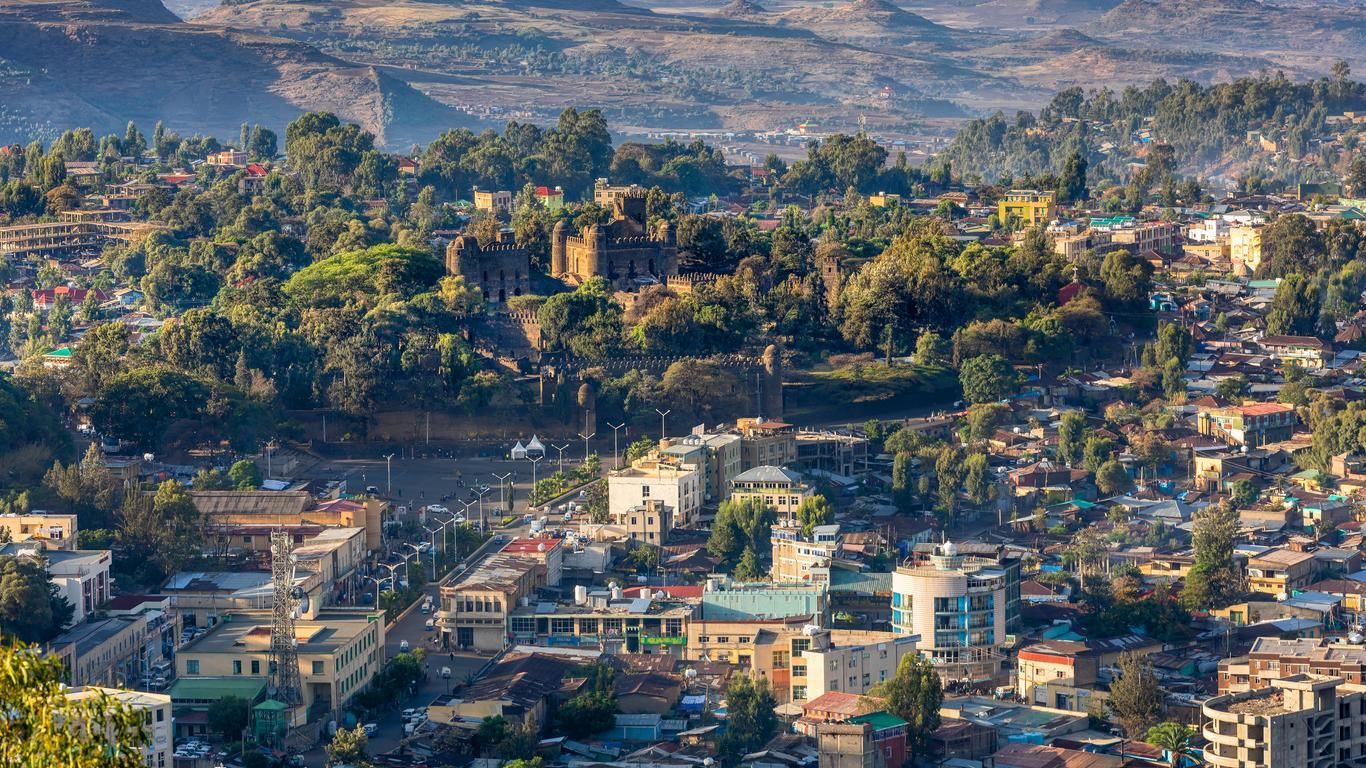
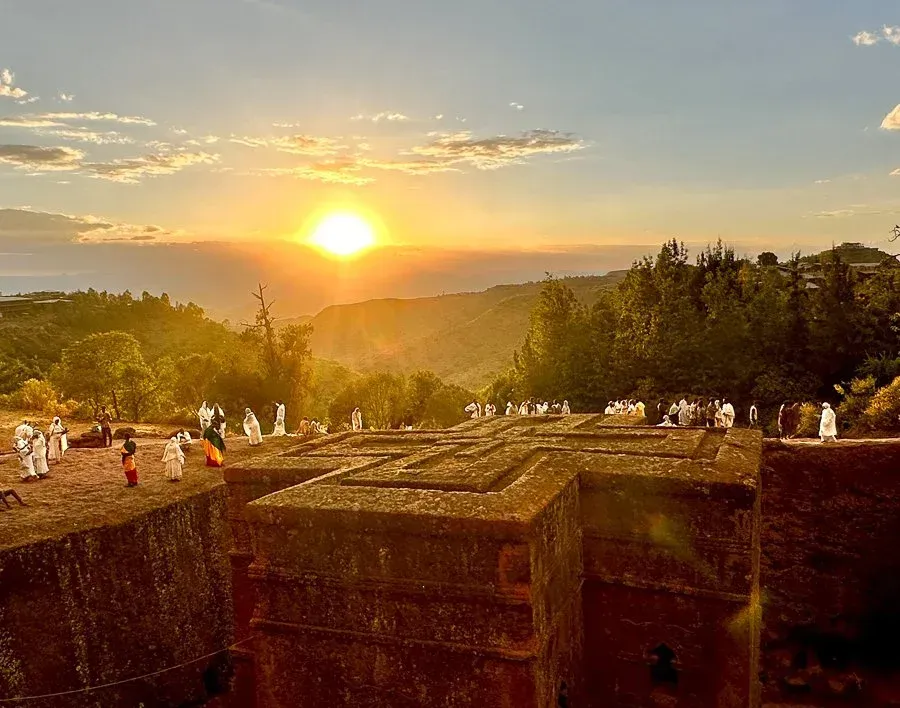
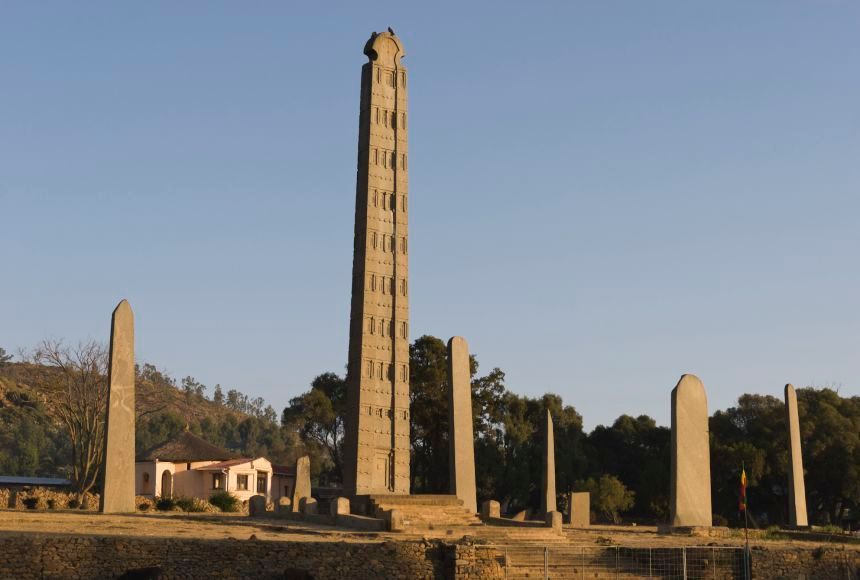
Three of the most historically significant cities in Ethiopia are Axum, Lalibela, and Gondar. Axum was the capital of the ancient Aksumite Empire, Lalibela is famous for its 12th-century rock-hewn churches, and Gondar served as the capital during the "Camelot of Africa" era and is known for its 17th-century castle complex.
Axum
- Historical Significance: The heart of the ancient Aksumite Empire, which was a powerful state between the Roman Empire and Persia.
- Key Features: Home to ancient obelisks and considered the location where the Ark of the Covenant is kept.
Lalibela
- Historical Significance: The capital of the Zagwe dynasty.
- Key Features: Famous for its 12th-century rock-hewn churches carved directly from the ground, which are a UNESCO World Heritage site.
Gondar
- Historical Significance: The capital during the 17th and 18th centuries, earning it the nickname "Camelot of Africa".
- Key Features: Contains a complex of royal castles and palaces, including the Fasil Ghebbi.
Other notable ancient cities
- Harar: An important walled city and a vital 16th-century trade route.
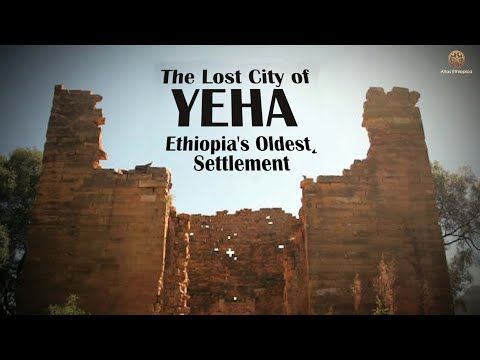
- Yeha: A pre-Aksumite religious center, with foundations dating to the D'mt kingdom.
- Aksum: The city is located near the Adwa mountains in the north of Ethiopia.
- Tiya: A site with ancient stelae (monuments), also a UNESCO World Heritage site.
HARAR
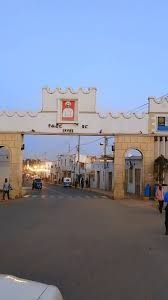
The Ethiopian old Muslim city is Harar, also known as Harar Jugol, a fortified historic town in eastern Ethiopia. It is considered the "fourth holy city" of Islam by some, with a rich history dating back to its founding in 1007 AD and serving as an important center for Islamic learning and trade. The city is famous for its ancient wall, 82 mosques, and unique urban layout.
Key features of Harar
- Historic Walls: The city is enclosed by a defensive wall, or "jugol," built between the 13th and 16th centuries to protect it from invaders.
- Islamic center: Harar became a major center for Islam in the Horn of Africa, with 82 mosques and 102 shrines, some dating back to the 10th century.
- Unique urban design: The city's layout follows the 16th-century design for an Islamic town, featuring a maze of narrow alleyways and traditional townhouses with unique interior designs.
- Cultural significance: Harar served as a commercial crossroads between Africa, India, and the Middle East and is known for its weaving and bookbinding industries. It was a major center for the spread of Islam throughout the region.
- UNESCO World Heritage Site: The fortified historic town was designated a UNESCO World Heritage Site in 2006 due to its cultural and historical significance
በሰራ ላይ ነው ይጠብቁን እናመሰግን አለን።
Title or Question
Describe the item or answer the question so that site visitors who are interested get more information. You can emphasize this text with bullets, italics or bold, and add links.Title or Question
Describe the item or answer the question so that site visitors who are interested get more information. You can emphasize this text with bullets, italics or bold, and add links.Title or Question
Describe the item or answer the question so that site visitors who are interested get more information. You can emphasize this text with bullets, italics or bold, and add links.
HEBER Means
In 1862 the Utah legislature created Wasatch County and made Heber City the county seat. At the time the county was created there were more than 1,000 people living in the area. Heber City was incorporated as a town in 1889 and as a city in 1901.
What is the meaning of heber?
Heber is a masculine name of Hebrew origin that means “togetherness” or “partner,”perfect for showing your little one how complete you are with them in your life. A Biblical name, it is a variant of Ever, Hever, or Eber, who is believed to be a relative of Abraham in the Bible in other side being together is power
Passion for work HEBER
To build a strong, positive community, foster open communication and mutual support, encourage inclusivity and participation in shared activities, and consistently recognize and celebrate member contributions. Focus on creating shared experiences and building trust through consistent effort and positive reinforcemen
To create a healthy community, focus on addressing basic needs
GENNA
What dose mean Genna Ethiopian traditions are rich and diverse, including a unique calendar system that influences holidays like New Year, major religious festivals such as Meskel and Christmas (Genna), and strong emphasis on family and community. Other customs include the traditional coffee ceremony, specific etiquette for greetings and dining, various forms of dance like Eskista, and unique marriage practice

Personal dedication FREE BOOK information
.You can borrow and read books through public libraries, using a library card to check out physical or digital materials. To read, you can visit a library to browse shelves, use online catalogs to request books, or access digital books through apps like BorrowBox or Libby, which allow you to read on various devices. For many online services, a library card is required for borrowing, though some platforms like Open Library allow you to read instantly online after creating an account.
We have solutions for you
let's be together share us any new information
communication
Don't worry we can share you ours Experience about Netherland
What People Say About Heber
Over ons
HEBER Group in ROTTERDAM